If cloudiness persists after an hour, there may be a quality issue with the peptide
Gastrointestinal effects: the main titration bottleneck Nausea, diarrhea, constipation, and vomiting run around 40 to 44% overall, dose-dependent in how many people report them but mild-dominant in severity: severe events stay at or below about 1.7% in any category even at the top dose. In the obesity program the by-dose rates run nausea 25/29/28%, diarrhea 19/21/23%, and vomiting 8/11/13% at 5/10/15 mg. They concentrate during escalation and ease with time on a held dose
Im very happy with my progress
Two carriers to deliver them
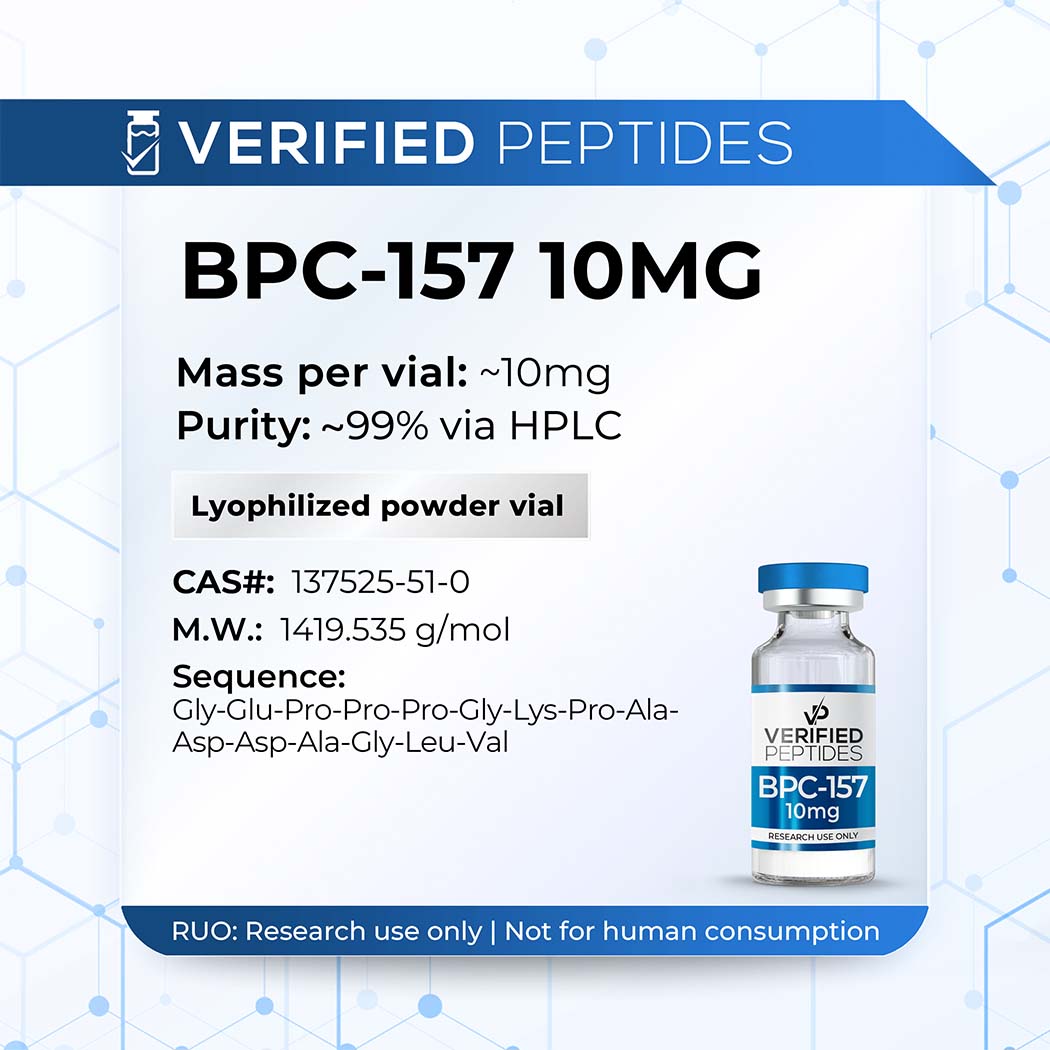
Angiogenic Pathway Activation Multi-Component Blood Vessel Formation Multiple components contribute to comprehensive angiogenesis through distinct but complementary mechanisms[5]: BPC-157 upregulates VEGFR2 expression and enhances endothelial cell proliferation TB-500 promotes endothelial cell migration and tube formation GHK-Cu stimulates angiogenic growth factor expression and vessel maturation Combined effects result in robust tissue vascularization and nutrient delivery Improved collateral circulation development in ischemic conditions Nitric Oxide System Modulation Vascular Protection BPC-157 influences nitric oxide signaling pathways to support vascular function[6]: Enhanced eNOS phosphorylation leading to controlled NO production Modulation of blood flow and vascular tone Protection against both NO excess and NO deficiency states Coordination with angiogenic effects for comprehensive vascular support Synergistic Advantage: KLOW Blends four-pathway approach enables simultaneous activation of cellular migration (BPC-157/TB-500), matrix synthesis and gene expression modulation (GHK-Cu), robust inflammation control (KPV), and comprehensive angiogenesis

These results directly confirm that excessive NNMT activation suppresses NAD+ synthesis and impairs energy metabolism, while NNMT inhibition effectively reverses this process, establishing NNMT as a negative regulator of energy metabolism