Stress management reduces cortisol levels accelerating collagen breakdown and promoting inflammation undermining peptide skin improvements - regular exercise supporting cortisol regulation and circulation, meditation or mindfulness practices reducing stress response, adequate social connection and support networks, and professional help for chronic stress or anxiety creating physiological effects beyond lifestyle modifications
These behaviors indicate reduced anxiety with preserved caution

Azelaic Acid and Tretinoin Cream Side Effects Common side effects of Azelaic Acid: Mild stinging or burning sensation upon application Temporary redness or irritation, especially during the initial stages of treatment Dryness or peeling of the skin Itching or tingling sensation Rare instances of contact dermatitis or allergic reactions Common side effects of Tretinoin: Skin dryness, flakiness, or peeling Increased sensitivity to sunlight, leading to sunburn or irritation Temporary worsening of acne or skin texture Mild stinging or burning sensation Redness or irritation, particularly during the initial weeks of use Potential side effects of using both azelaic acid and tretinoin cream together: Heightened skin sensitivity and irritation due to the combined effects of Azelaic Acid and Tretinoin Increased risk of dryness, redness, and peeling, particularly in individuals with sensitive or reactive skin types Potential exacerbation of side effects such as stinging, burning, or itching Tips for minimizing azelaic acid and tretinoin cream side effects: Start with lower concentrations of Azelaic Acid and Tretinoin and gradually increase usage frequency as tolerated
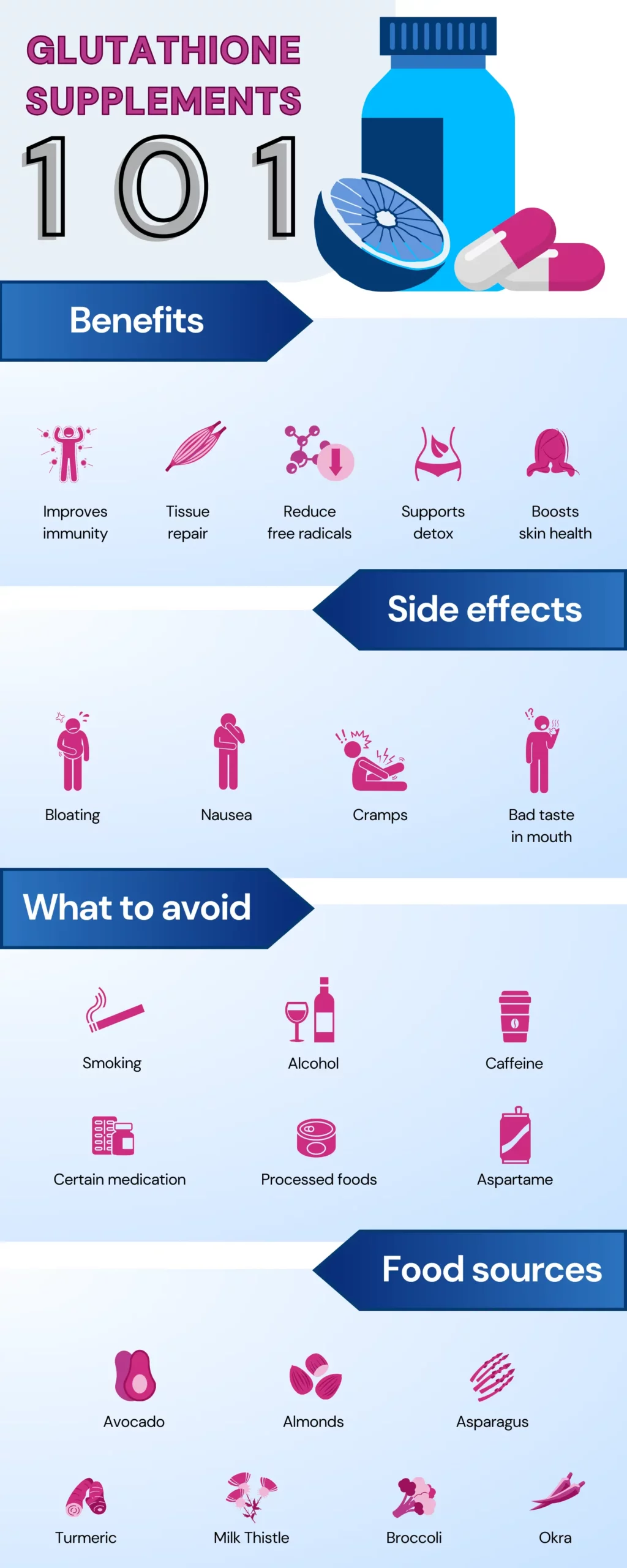
:max_bytes(150000):strip_icc()/benefits-of-glutathione-89457_final-01-502464fe91b2444285b0cccf8cb0a33c.png)
TB-500 (Thymosin Beta-4) Phase I and Phase II safety trials of intravenous thymosin beta-4 published in human cohorts (Ruff et al., 2010)
In that case, the T-cells responsible for those regulations begin to divide rapidly and become pro-inflammatory, leading to a drought of Th1 and Th17 T-cells [4]
Phytomedicine 135:156189