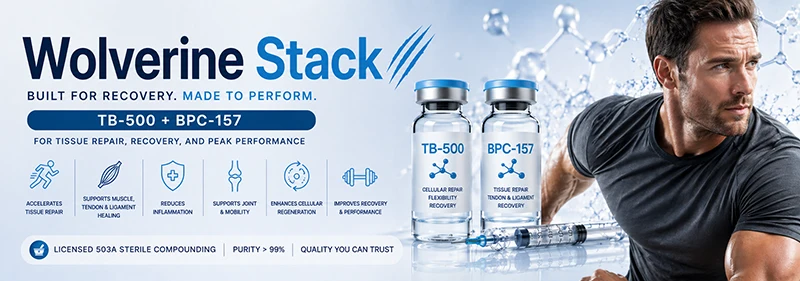
BPC-157, a gastric peptide, has been shown to accelerate wound healing, reduce inflammation, and promote angiogenesis, the formation of new blood vessels
GHK-Cu, TB-500 and BPC-157 are all unapproved research chemicals none is FDA-approved (2026 compounding activity is not approval)
Clinical Use, Dosing, and Safety Considerations Understanding the typical clinical protocols and safety profiles of lipotropic injections is essential for optimal patient outcomes

1 Introduction Autoimmune diseases (ADs) arise from the immune systems aberrant response against self-tissues, encompassing diverse conditions such as rheumatoid arthritis (RA), systemic lupus erythematosus (SLE), inflammatory bowel disease (IBD), type 1 diabetes (T1D), and primary biliary cholangitis (PBC) ( Mounting evidence suggests that gut microbiota and its metabolites play a key role in host health and diverse diseases, such as obesity, depression, sclerosis, kidney disease, and dialysis ( At present, in the interest of reshaping the disordered intestinal immune activity in the disease state and alleviating the disease, people propose a series of flora-related immunotherapies based on the close interaction between the intestinal immune system and the flora ( Clostridium , a genus of anaerobic, Gram-positive, thick-walled bacteria, constitutes a dominant component of the healthy gut microbiota ( Clostridium species may confer clinical benefits across multiple ADs ( 2 Classification and sources of Clostridium as probiotics The intestinal clostridia as probiotics mainly contain Clostridium butyricum ( CB ), Faecalibacterium prausnitzii ( FP ), Clostridium cocleatum , etc

Lipotropic shot is the mix of: Vitamin B12 boosts energy levels
FDA Disclaimer: These statements have not been evaluated by the FDA.