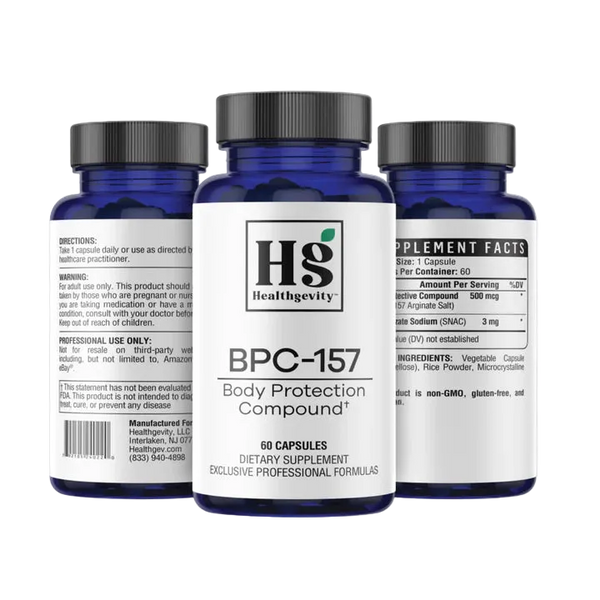
Pros and Cons: Being Honest About Both BPC-157 Potential Pros Impressive animal study results across tissue types May address root-cause tissue repair, not just symptoms Growing community of anecdotal human reports Interesting mechanisms (angiogenesis, growth factor modulation) BPC-157 Real Cons No FDA approval for human use Almost no completed human clinical trials Injection is most researched route, not oral Product quality on Amazon is unreliable No long-term human safety data Collagen Peptides Pros Multiple completed human RCTs for joint pain Excellent safety profile, no significant adverse effects reported Simple oral administration Available from quality-controlled brands Works alongside other supplements without interaction concerns Collagen Peptides Cons Not a quick fix, results take 8 to 12 weeks minimum Effect sizes are modest in most trials Does not have the dramatic repair mechanisms of BPC-157 Quality varies between brands Which Collagen Peptide Product Do I Use

Can be combined with MGF for potentially synergistic muscle-building effects
They are found in foods such as meats, fish, and soybeans
How BPC-157 and TB-500 Compare at a Glance BPC-157 and TB-500 are frequently discussed together because both are promoted for recovery and both act, in part, through angiogenesis (the growth of new blood vessels)
Nature (2014) 510(7503):5867
The systemic effects of growth hormone secretagogues differ substantially from the targeted local effects of topically applied AHK-Cu