However, recent studies have highlighted the role of lifestyle factors, including smoking, nutrition, environmental toxins, and sleep disruptions
This complex process means that conditions affecting the stomach or intestines can significantly impair B12 absorption, including pernicious anaemia, atrophic gastritis, previous gastric surgery, coeliac disease, Crohn's disease, and long-term use of certain medications (such as metformin, proton pump inhibitors, and H2 antagonists)
A few weeks later, you tie your hair into a ponytail and realise it isn't as thick as it used to be
Malabsorption of Vitamin B12 In The Small Intestine Many stomach and intestinal diseases can affect cobalamin (or vitamin B12) absorption in the small intestine
A further question still to be answered is that of the optimum dose when using the oral route [3]
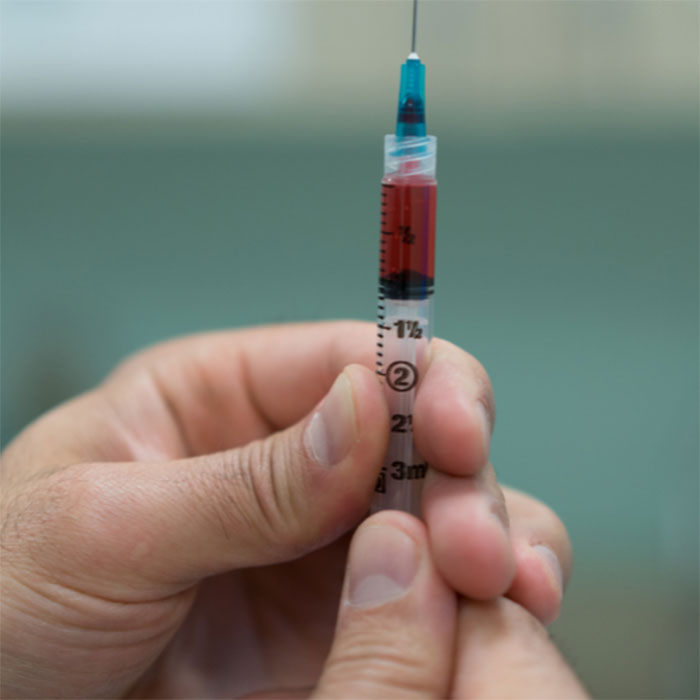
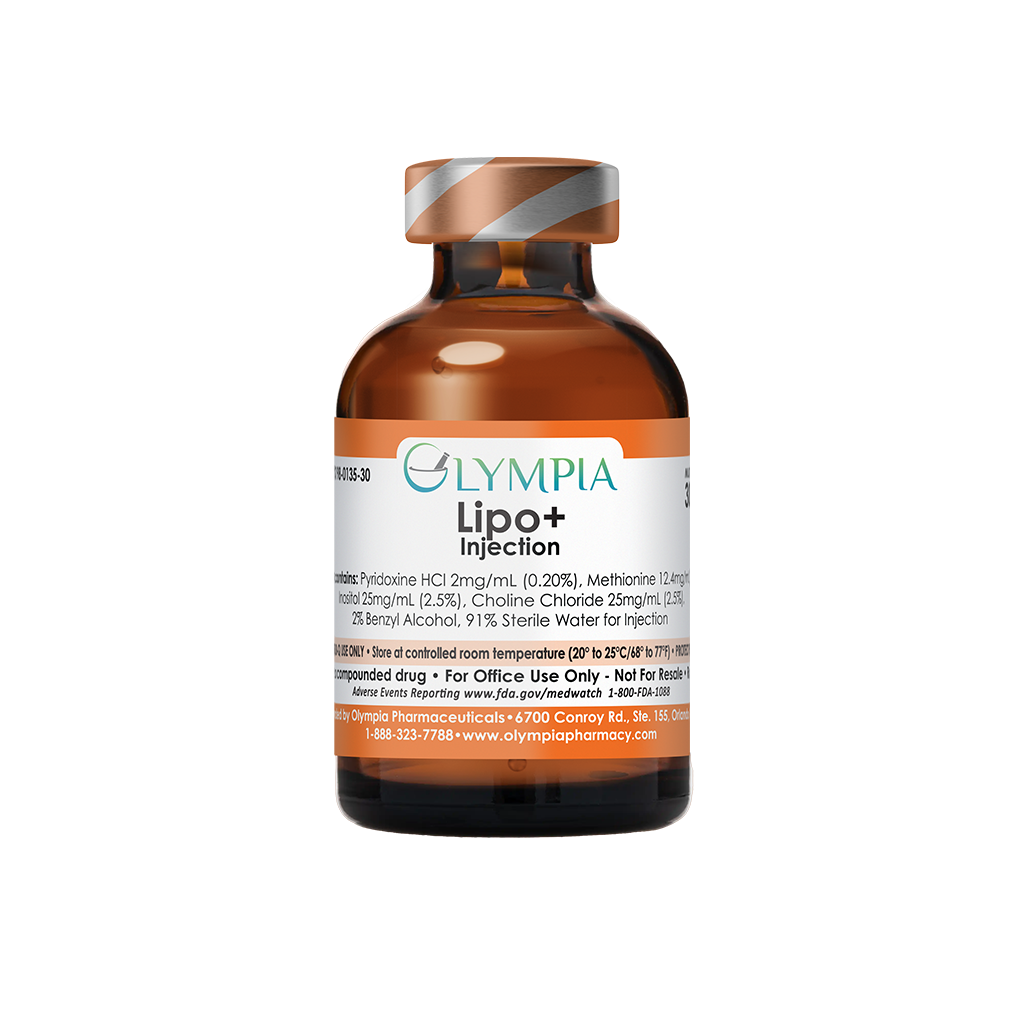
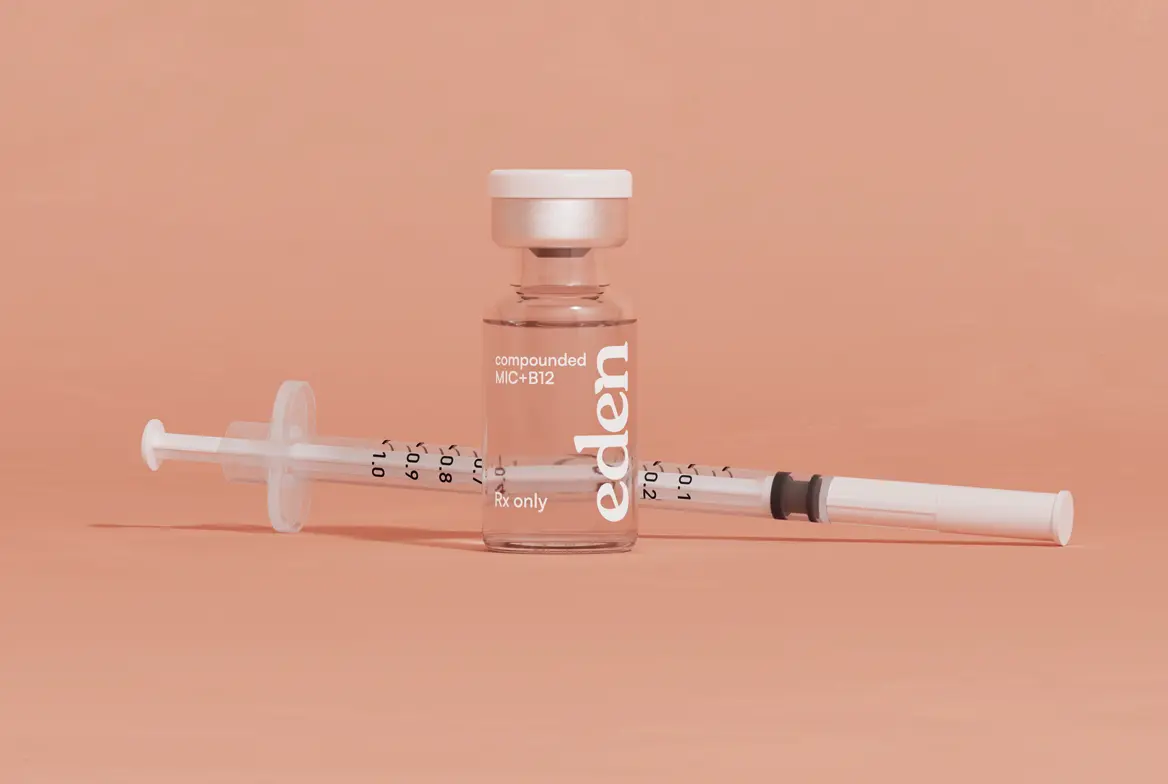
Some B12 treatment options include: Oral supplements: to help keep sufficient B12 levels in those with a mild deficiency B12 injections: for more moderate to severe cases of B12 deficiency Diet changes: including eating more B12-rich foods like eggs, milk, meat, nutritional yeast, and foods fortified with B12 (which are often helpful for people who want to eat meat and/or dairy alternatives) Its important to follow the advice from a healthcare professional to make sure that treatment for B12 deficiency is tailored to your unique requirements