proposed distinct mechanisms of iron accumulation in neurons versus glial cells: glia primarily accumulate iron through TfR1 and ferritin, whereas neurons rely more on DMT1 and other pathways (352)
Published in-vitro work commonly uses GHK-Cu in the range of 10 nM to 10 M, with 1 M as a frequently reported working concentration
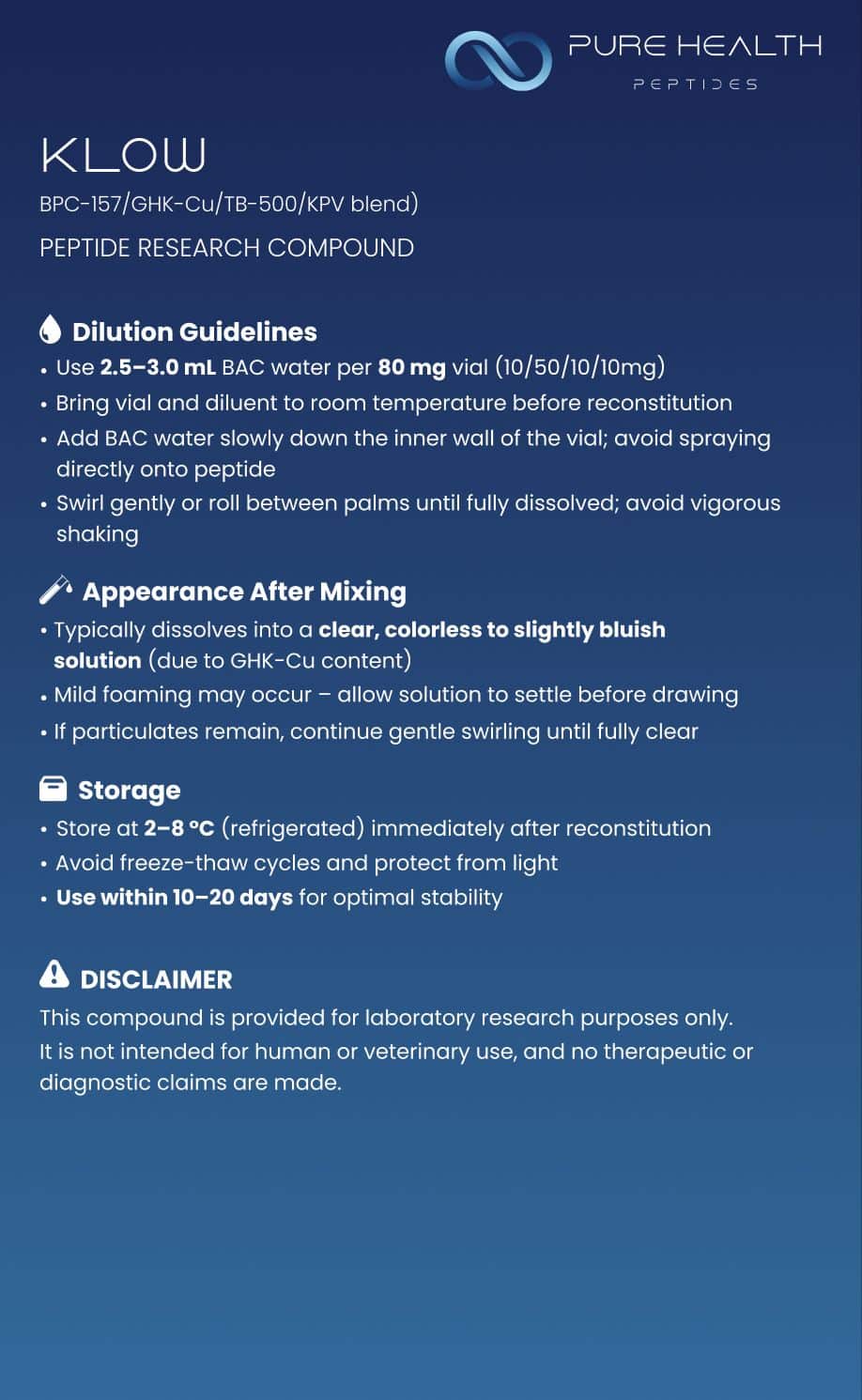
Sterile water lacks preservatives and is single-use only (high contamination risk if reused)
It is involved in many biological processes including detoxification of xenobiotics, removal of oxygen-reactive species, regulation of the redox state of cells and the oxidative state of important protein sulfhydryl groups, and regulation of immune function
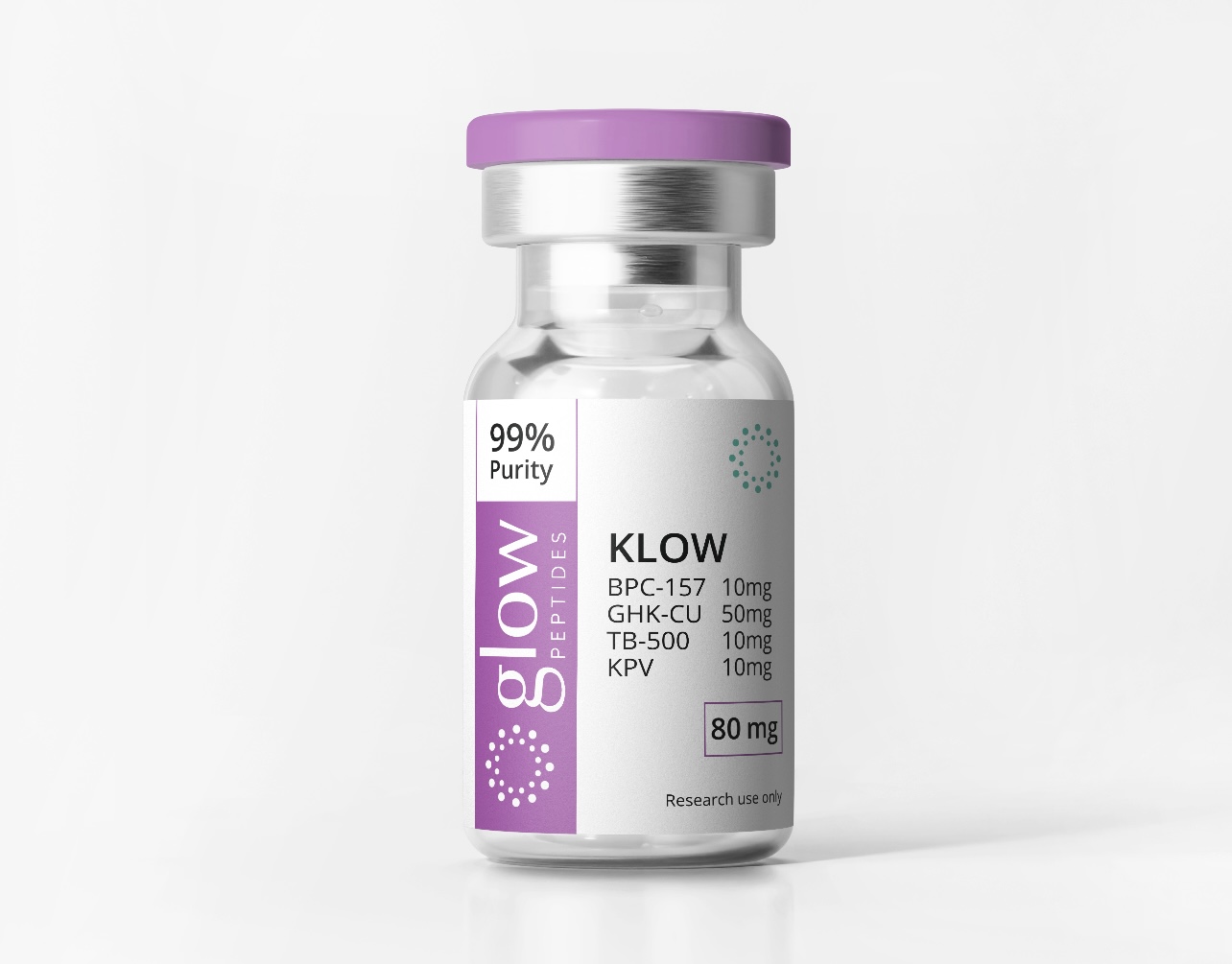
GHK-Cu: A Single, Well-Defined Compound GHK-Cu (glycyl-L-histidyl-L-lysine copper complex) is a small tripeptide bound to a copper ion
The third group was based on the second one