How peptide immunotherapy achieves tolerance The mechanisms include induction of specific T-cell anergy (functional inactivation of allergen-reactive T-cells), differentiation of naive T-cells into regulatory T-cells, immune deviation (shifting the Th2/Th1 ratio toward Th1), and allergen-specific Th2 cell deletion
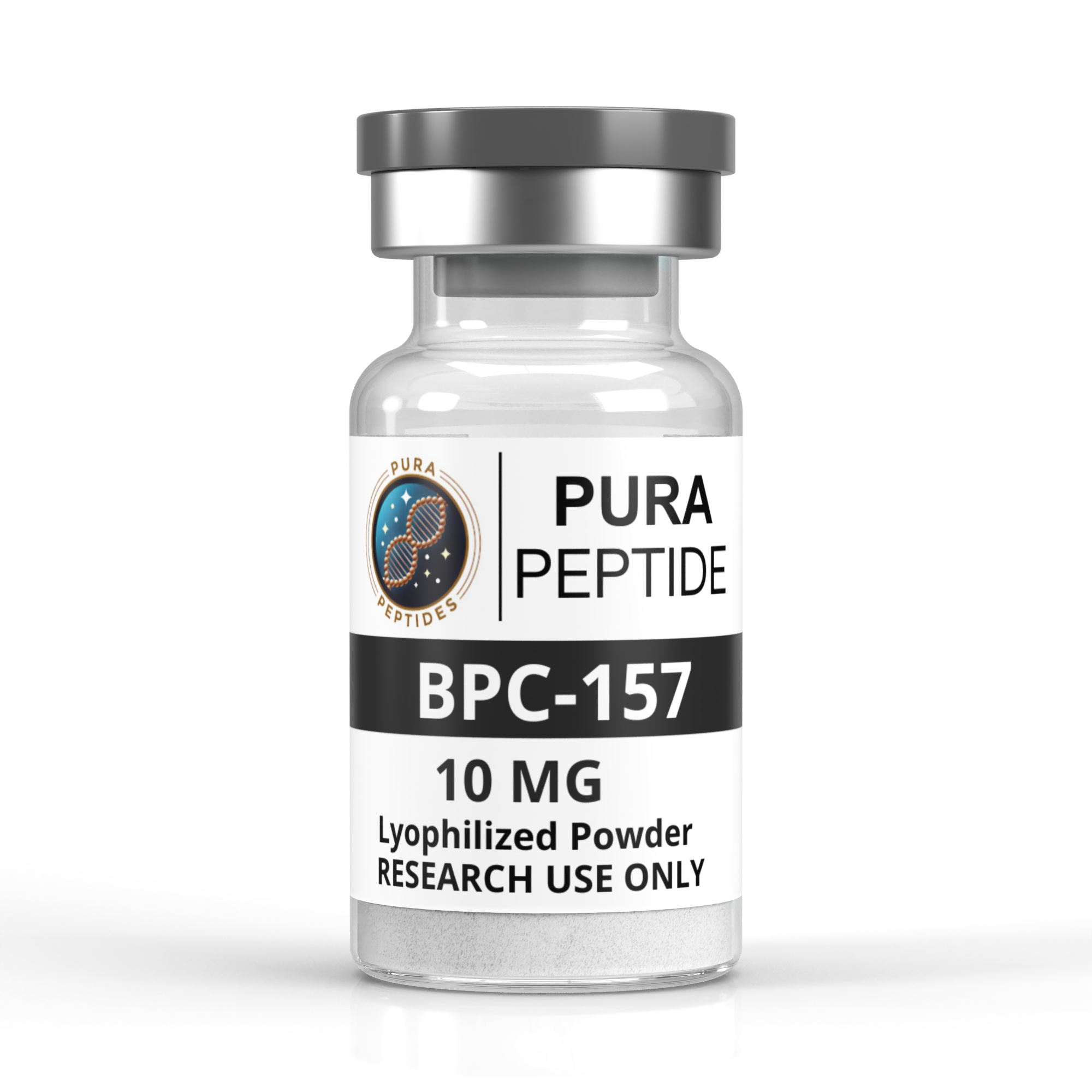
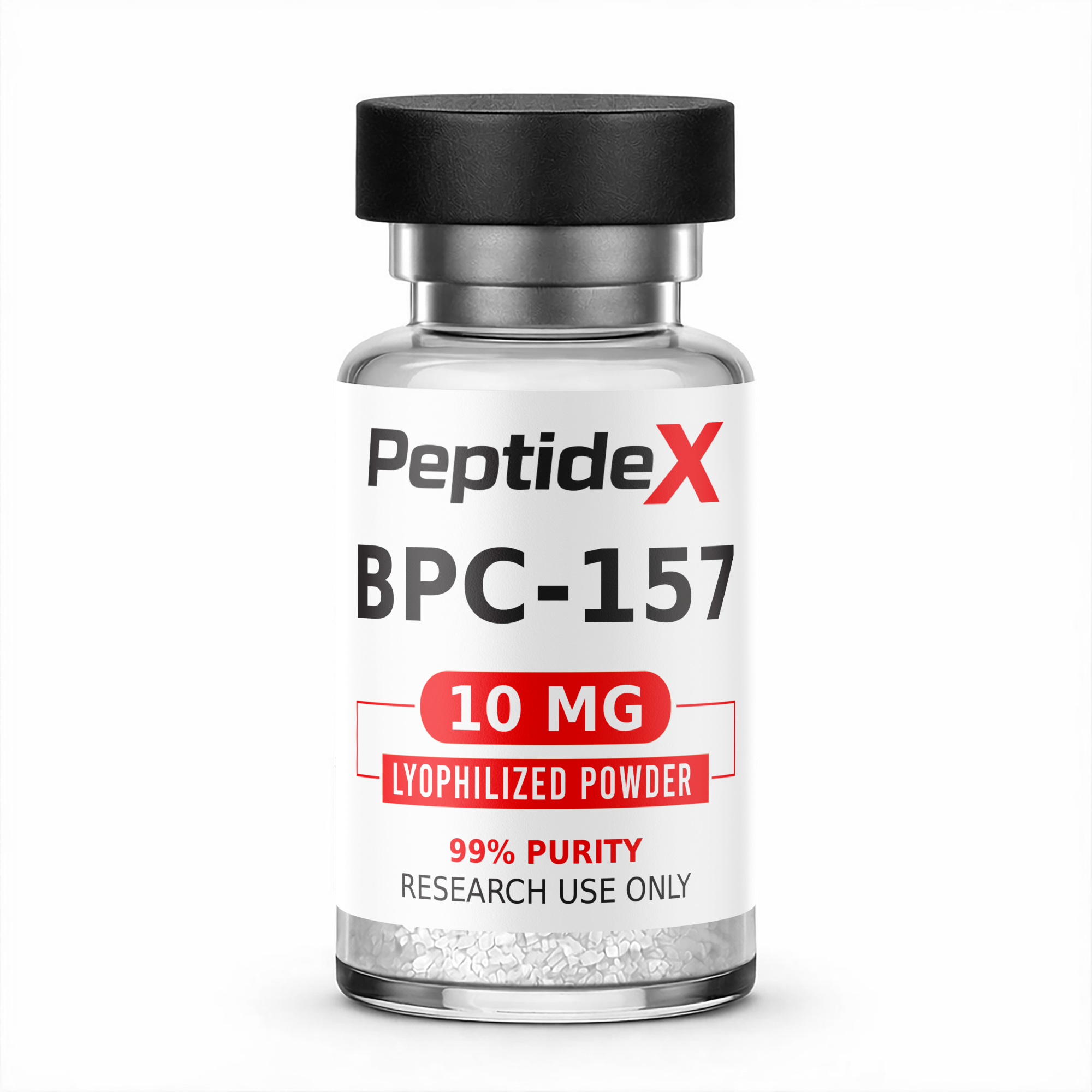
Documentation and handling notes Documentation Regenerative peptide listings should be reviewed alongside the pack size, vial format, stock status, and any available product documentation before ordering
Benzyl Alcohol Considerations While benzyl alcohol is an FDA-approved preservative for multi-dose vial formulations, it is important to note that: Benzyl alcohol has been associated with adverse effects in neonates (very young infants) at high concentrations when used as a preservative in injectable products Use in pediatric or neonatal populations should follow institutional guidelines and medical supervision Practitioners should be aware of any patient-specific contraindications or sensitivities Product use should always align with the prescribing information and clinical judgment of licensed healthcare providers Storage and Handling Requirements Temperature: Store at controlled room temperature (typically 6877F / 2025C)
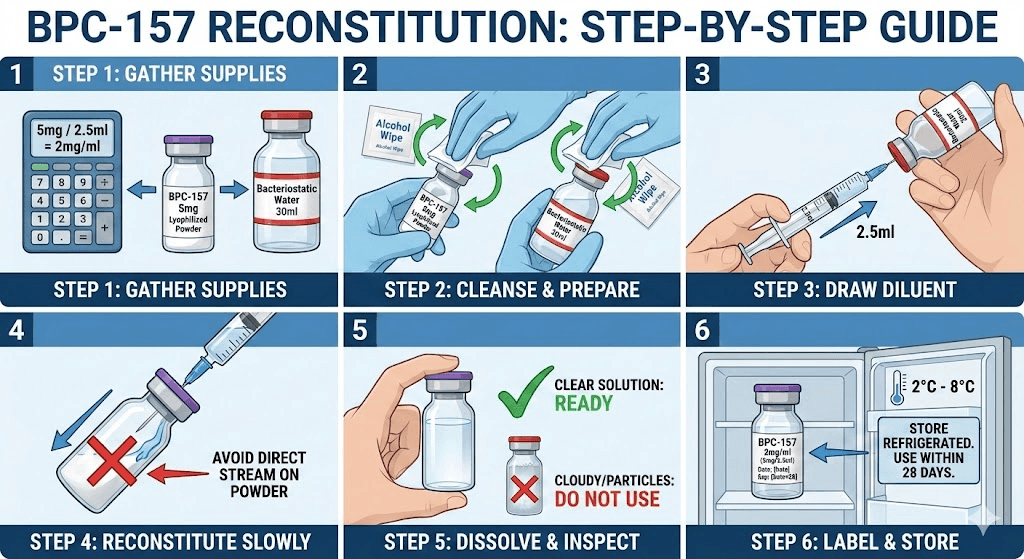
Most peptide protocols use 12 mL per reconstitution
TB-500 Reconstitution: The Math Behind the Vial TB-500 arrives from the 503A compounding pharmacy as a lyophilized (freeze-dried) powder in a sealed vial
Adenomas are usually single, but they may be multiple, especially in patients with MODY3 or glycogen storage disease