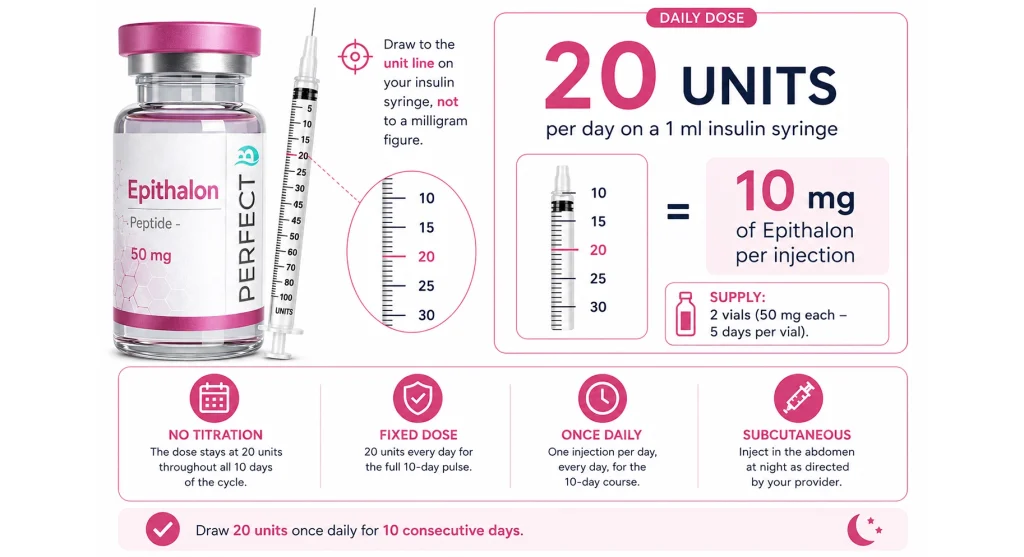
Some peptides may promote neuroprotection and neuroplasticity, helping neurons form new connections, improve communication, and recover from stress or injury
Why they work together: Stimulates Type I, III, and IV collagen Enhances retinol's anti-aging effects Minimal irritation risk Supports skin barrier function Application strategy: Layer together in same routine (peptide first) OR separate AM/PM Signal peptides vs neurotransmitter peptides with retinol Signal peptides (like Matrixyl, Syn-Coll): Best compatibility with retinol Work synergistically Can apply together or separately Neurotransmitter peptides (like Argireline, Leuphasyl): Good compatibility but better separated Different pH requirements may interfere Apply separately (AM vs PM) for best results Peptides to avoid combining with retinol AHA/BHA peptide combinations: Products that combine peptides with acids (glycolic, salicylic) Adding retinol on top = potential over-exfoliation Use peptide+acid products separately from retinol nights High-dose vitamin C + peptides + retinol: All three together may be too much for sensitive skin Vitamin C (L-ascorbic acid) can destabilize retinol Better to separate: Vitamin C AM, Peptides + Retinol PM See our glow peptides guide for complete skincare peptide protocols
What is GHK-Cu skin cream, and how does it work on the skin
The serine protease matriptase-2 (TMPRSS6) inhibits hepcidin activation by cleaving membrane hemojuvelin
Description BPC-157 10mg BPC-157 (Body Protection Compound-157) is a synthetic peptide derived from a naturally occurring protective protein found in the stomach
order: 1000 pieces Guangzhou Chuanghe Glass Products Co., Ltd