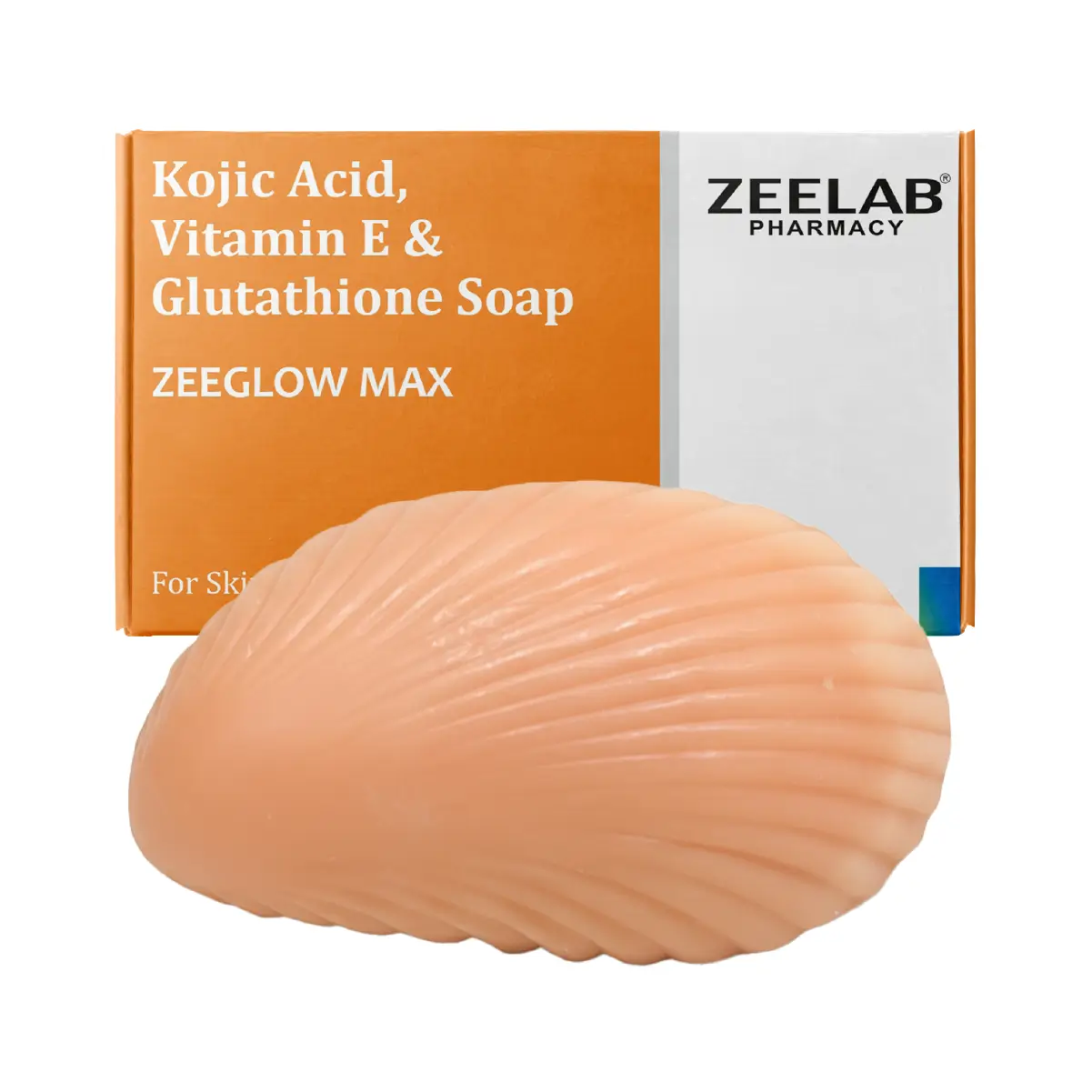
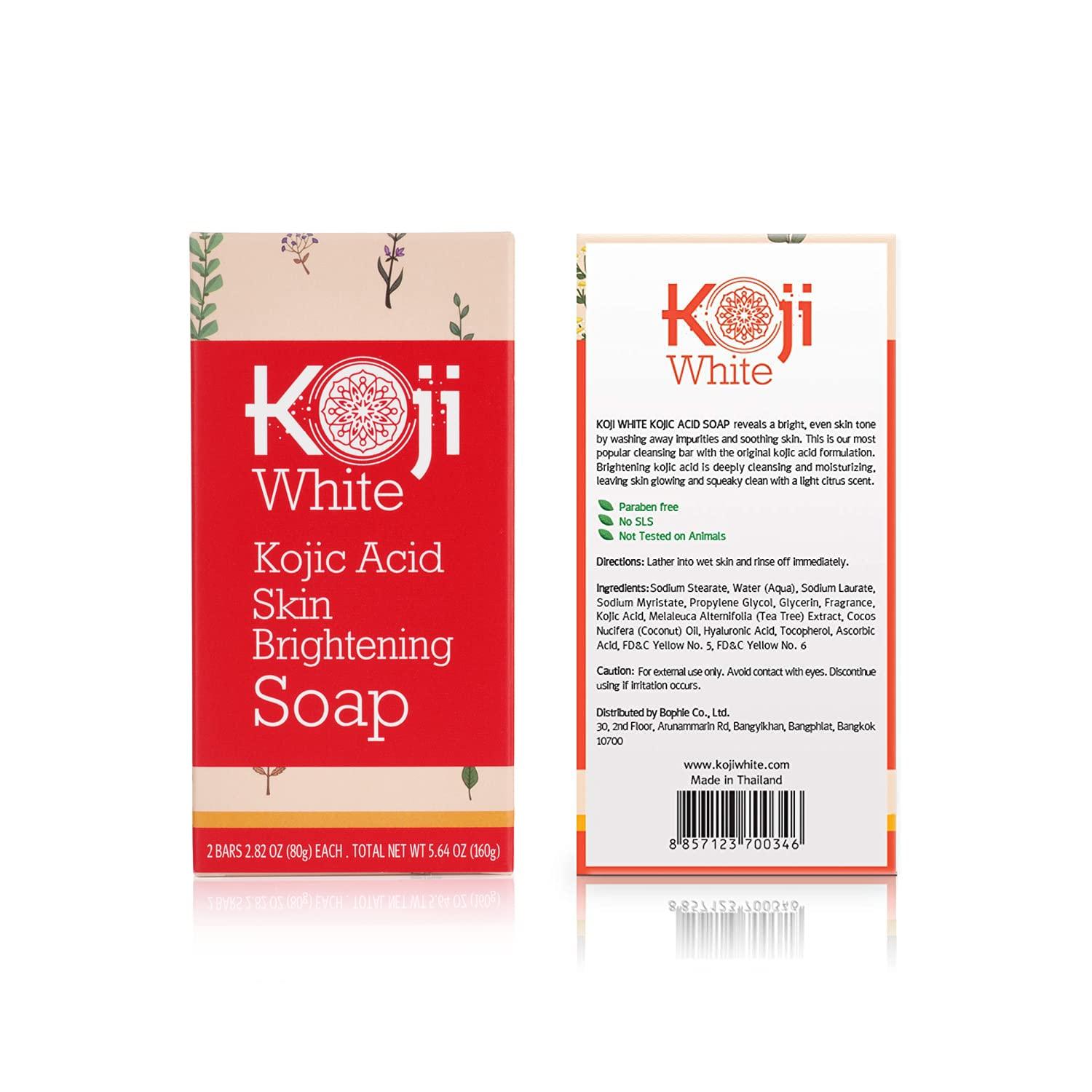
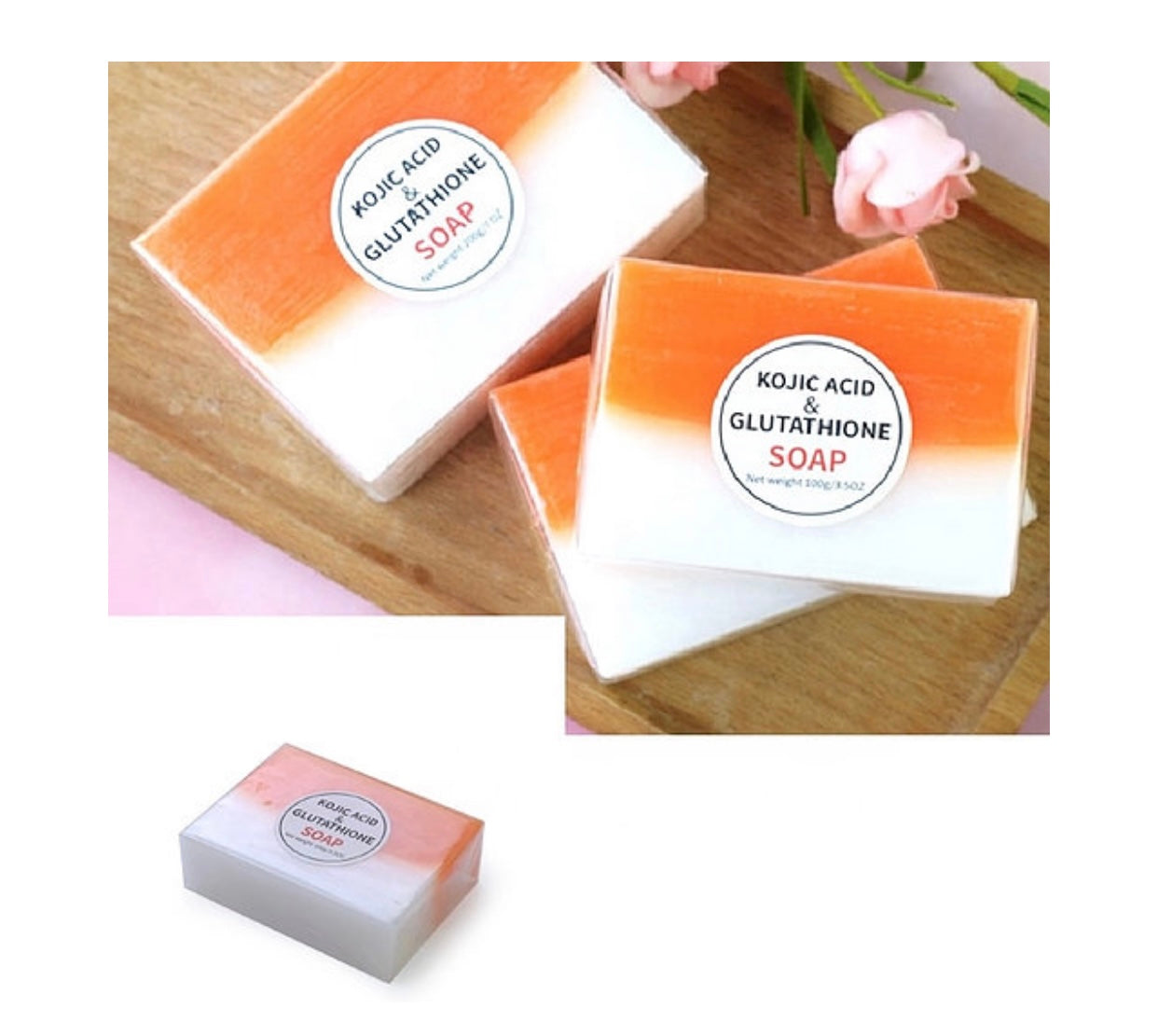
Topical PUVA or topical PUVASOL therapy is useful for localized lesions without systemic complications
Activator Protein 1 AP-1 is a redox-sensitive transcription factor that regulates gene expression in response to various stimuli, including cytokines, growth factors, and cellular stress
Lunakai Pro Women's Hair Growth & Restore April 06, 2026 Lunakai Pro Women's Hair Growth & Restore was tested for its biotin content and checked for heavy metals, and is now included in our B Vitamin Supplements Review

Oral BPC-157 capsules Standard oral capsules: Contains BPC-157 powder Take on empty stomach Lower bioavailability (only small amount absorbed) Works directly on stomach/gut lining as it passes through Dosing: 500-1,000mcg daily (higher than injectable due to poor absorption) Split into 1-2 doses Take 30 minutes before meals Best for: Stomach ulcers IBS and digestive issues Leaky gut Esophageal issues Oral stable BPC-157 (Arginate or Acetate) Better oral absorption: BPC-157 Arginate or BPC-157 Acetate Modified to resist stomach acid breakdown Higher bioavailability than standard oral More expensive Dosing: 250-500mcg daily (similar to injectable) Can work systemically when absorbed Still best for gut issues How to take: Empty stomach preferred 30 minutes before food With water Don't take with acidic beverages Sublingual administration (under tongue) Some users try sublingual: Hold under tongue for 60-90 seconds May improve absorption vs swallowing No definitive evidence it's better Worth trying if you have capsules How to do it: Open capsule Pour powder under tongue Hold as long as possible Swallow saliva after 60-90 seconds BPC-157 dosing protocols by condition How much to take depends on what you're treating
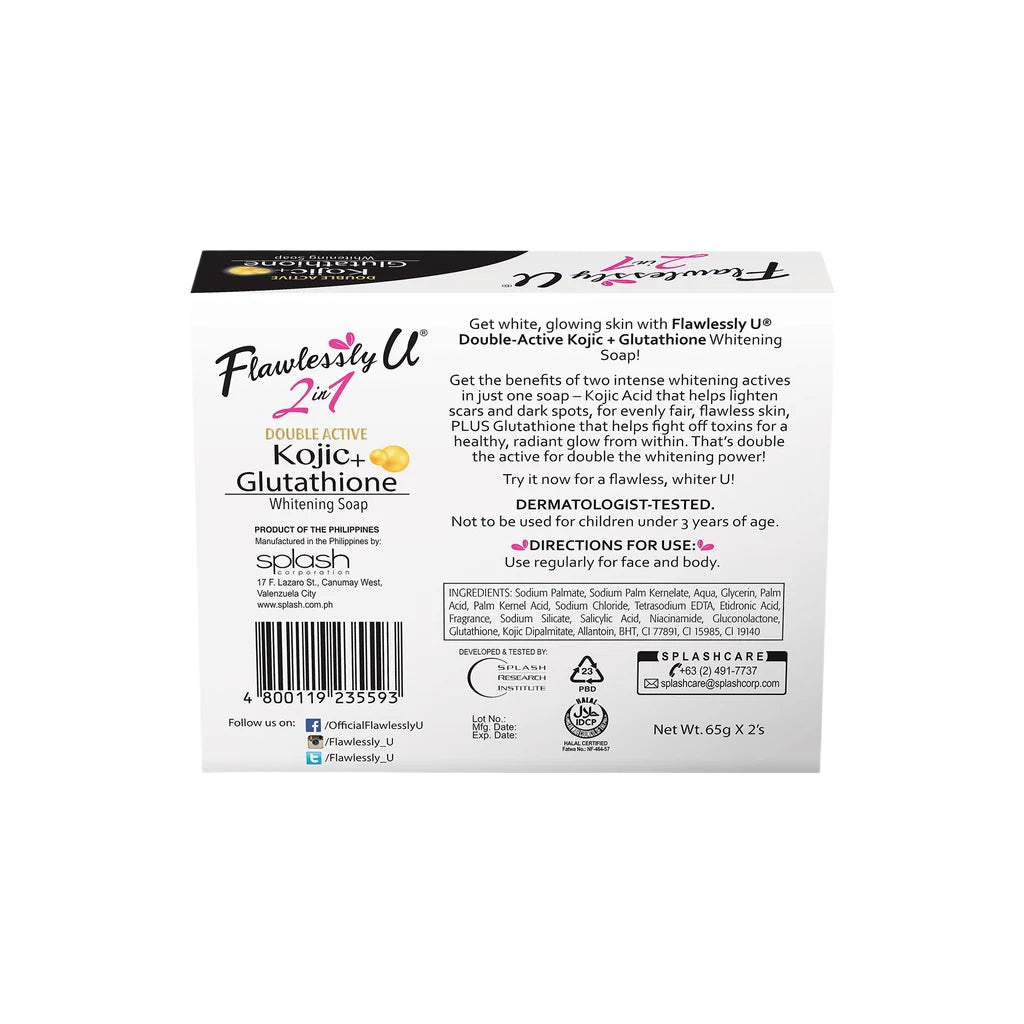
Mechanism of Action The biochemical mechanism of Glutathione is multifaceted, positioning it as a master regulator of cellular redox homeostasis
Compounds that chelate free metal ions in a way that prevents them from generating free radicals offer promise in the treatment of neurodegenerative diseases and other chronic diseases in which metal-induced oxidative damage may play a pathogenic role (21)