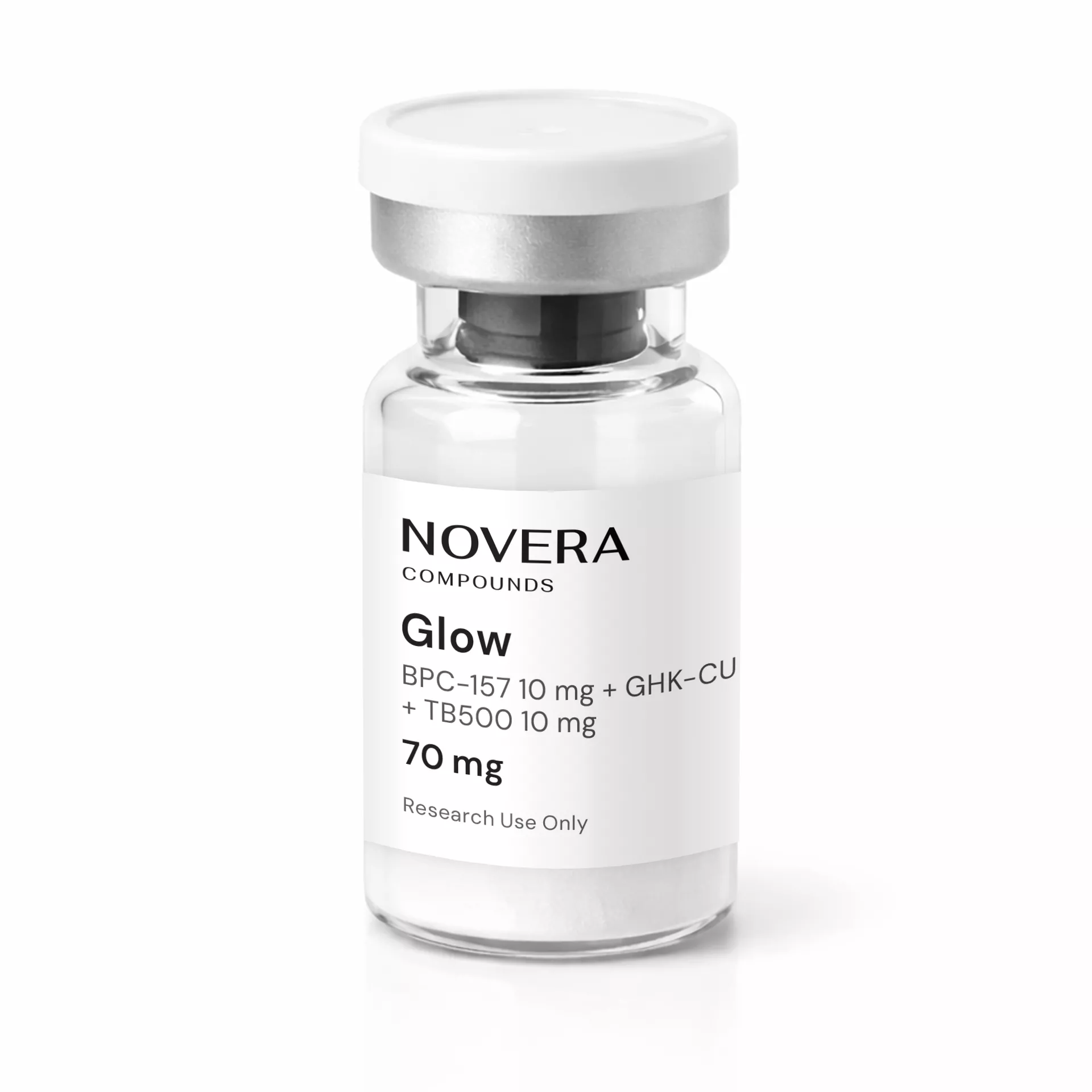
Research Applications BPC-157 has been studied extensively in animal models across a range of research contexts: Soft tissue repair tendon, ligament, and muscle injury models in rodents have shown accelerated healing markers when BPC-157 was introduced into experimental protocols Gastrointestinal research studies in rat models have examined its cytoprotective properties in gastric lesion, inflammatory bowel, and esophageal damage models Neuroprotection preclinical research has explored BPC-157 in models of peripheral nerve damage, central nervous system injury, and dopaminergic system modulation Musculoskeletal research bone-tendon junction healing, fracture repair, and osteogenic differentiation models have been examined in multiple published studies Organ protection emerging preclinical literature has investigated BPC-157 in hepatic, renal, and cardiac injury models in rodents Why Researchers Choose BPC-157 BPC-157 is notable in research peptide literature for its stability in acidic environments, distinguishing it from many peptides that degrade rapidly in gastric conditions

Separately, its Pharmacy Compounding Advisory Committee reviews seven peptides for section 503A compounding eligibility on July 23-24, 2026
These are fundamentally different processes even though both involve new blood vessel formation
Vitamin B12 is an important part of a healthy diet and a healthy lifestyle
The man then responds, "God bless, ma'am," which she chose to ignore
Instead, it bears the status of a research compound that can be legally obtained only by scientists and used for research